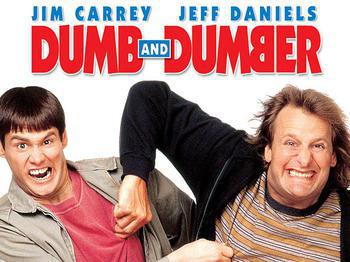
Bid on the chance to own a lucrative royalty asset that has grown steadily over the last few years. This auction features a catalog of music used in popular films like Dumb and Dumber, Shallow Hal, There’s Something About Mary, and more. From 2011-2014, this 45-song catalog has earned an average of $14,648.68 per year. But when you review the financials tab, you’ll notice that the annual royalty payments have been growing steadily since 2011. The next royalty payment is in June 2016. Place your bids for this premium royalty below.
Historic royalty income is no indication of future royalty income. Future royalty income is dependent upon future sales and licensing revenue generated by the sound recordings or compositions associated with this listing.
Starting Price:
$100,000
Bidding Increment:
$2,500
Closing Price:
$122,500
End Date:
Apr 25, 2016, 3:10 PM MDT
Total Bids
11
Past 12 Month's Royalties
22627.49
Public performance royalties are payments made by radio stations, hotels, restaurants, night clubs, etc. to the composition copyright holder(s) for each public performance of the copyrighted work. In the U.S., public performance royalties are typically paid to performing rights organizations (e.g., ASCAP, BMI) who then distribute the royalties to the copyright holder(s).
public performance
Mechanical royalties are royalties deriving from per-unit payments made by recording companies or digital download providers to the composition copyright holder(s) for every purchase of a sound recording that reproduces the copyrighted composition.
mechanical royalties
Non-interactive digital performance royalties are payments made by non-interactive music services (i.e. those that mimic the experience of a radio broadcast) of a statutorily-set amount (on either a per-play or annual basis—depending on the type of service) to SoundExchange for the benefit of the sound recording copyright holder and the performing artists for the right to perform the copyrighted sound recording via non-interactive, digital means.
non-interactive digital performance royalties
The royalties owed to the creator(s) of a musical composition which are paid in return for the right to reproduce, distribute, or perform the copyrighted work.
songwriter's share
A musical composition is one of the two copyrightable parts of a recorded song. It consists of the song's music, including any accompanying words, (i.e. the portion of a song that is capable of being fully expressed as sheet music) and is separate from any particular recording of the song or its performance by any particular artist.
musical compositions
A sound recording is one of the two copyrightable portions of a recorded song. It results from the fixation of a series of musical, spoken, or other sounds in a tangible (at least momentarily permanent) medium.
sound recordings
The portion of royalties owed to the owner of a sound recording. The owner may the performing artist, the producer, or another party (such as a record label) who contractually acquired the ownership of the copyrighted work (e.g., through a recording agreement), owns it by virtue of an employer-employee relationship with the creator(s) of the work, or specially commissioned the work.
rights owner's share
The portion of royalties owed to the performers of a sound recording in return for the right to perform the copyrighted work via non-interactive, digital services (e.g., Pandora, Spotify).
artist's share
The portion of royalties owed to the music publisher which are paid in return for the right to reproduce, distribute, or perform a copyrighted musical composition, arising from a contractual obligation (i.e. a publishing agreement) or employer-employee relationship with the creator of composition (i.e. the songwriter(s)).
publisher's share
If an asset requires splitting up a catalog by works or percentages, Royalty Exchange may need to provide royalty accounting services to the buyer, seller, or both. This is because the royalty distributor may not be able to split royalties as intended by the asset transfer. Royalty Exchange's involvement helps to ensure accurate royalty payments. It also helps assure buyers and sellers that they are not missing out on potential earnings.
The accounting process often involves manual spreadsheet work and coordinating with royalty distributors. Royalty Exchange's goal is for the accounting service to be temporary. We plan to work with distributors to find solutions that will allow us to revert accounting and payment obligations back to the distributor, removing ourselves from the process. In the meantime, we've instituted the 5% fee to help offset costs in the manual accounting.
Please see the sample accounting agreement document for reference.
Why does Royalty Exchange need to account?
Attention
This action is restricted to Royalty Exchange users. Please, sign in or create a free account to continue.